When God Meets Buddha
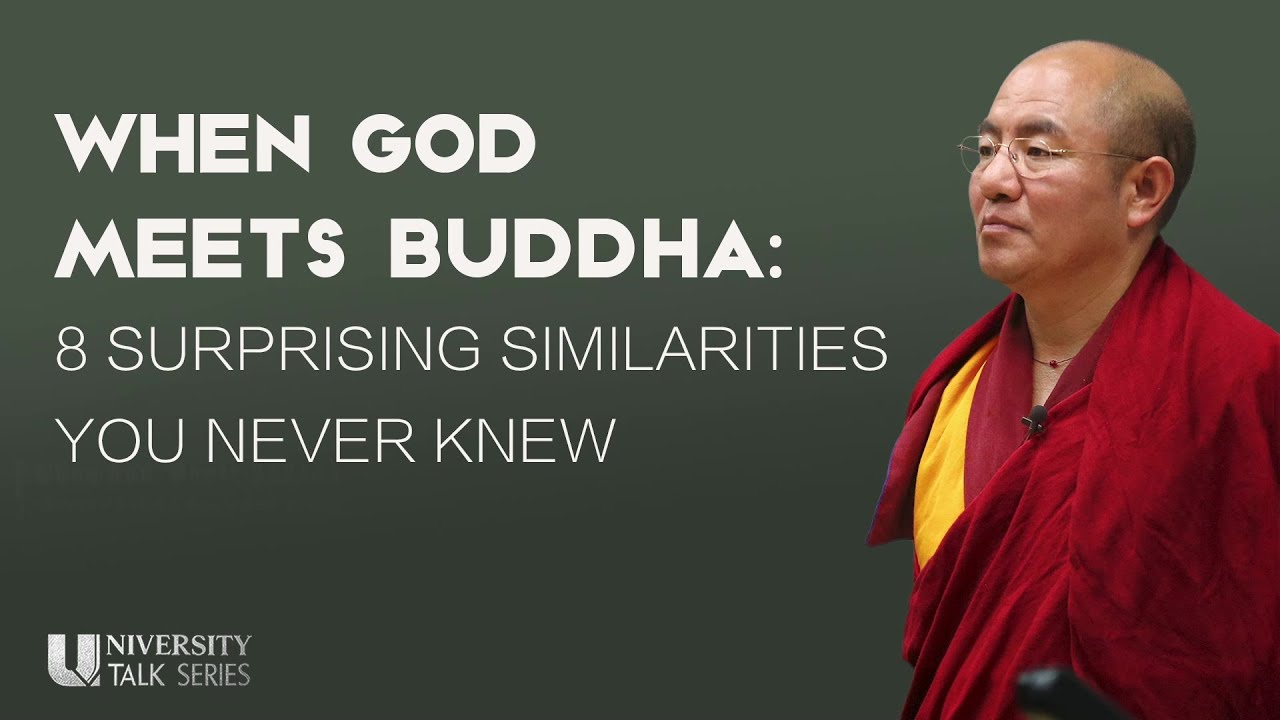
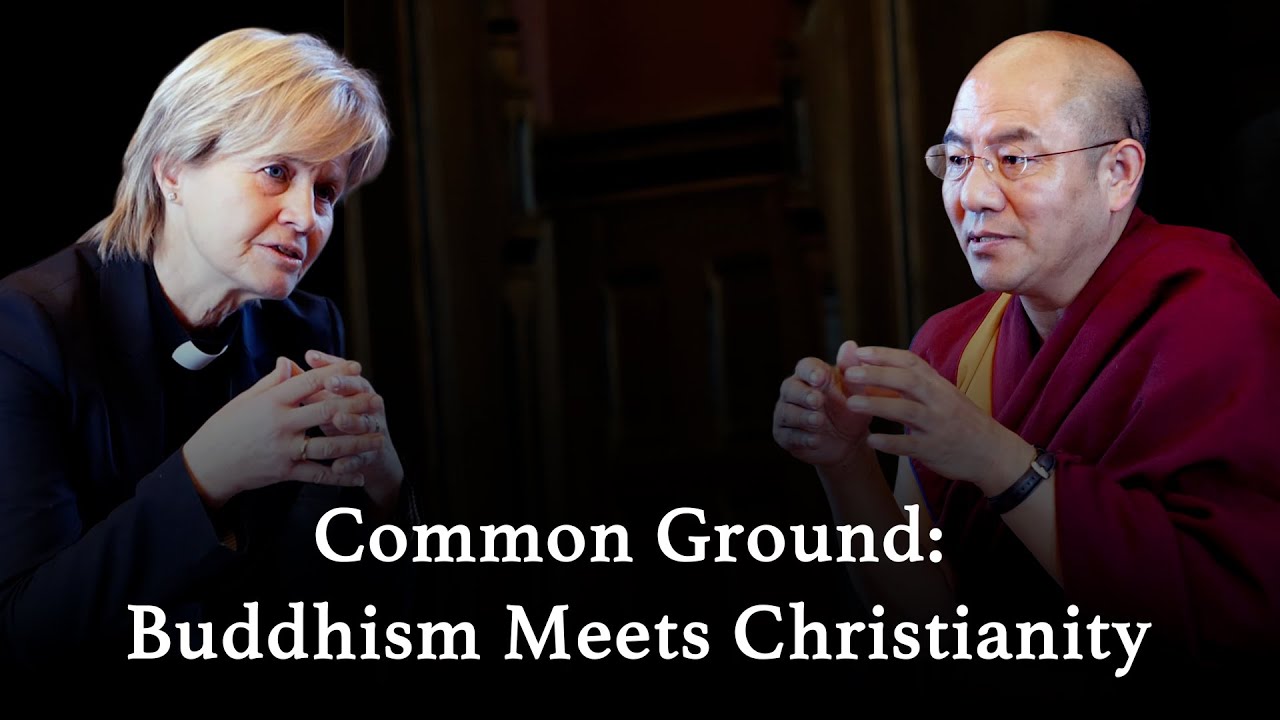
When God Meets Buddha The main speaker of this session is Khenpo Sodargye Interfaith Harmony: A Dialogue Between Buddhism and Christianity In this illuminating talk, Khenpo Sodargye explores the intersections between Buddhism and Christianity, advocating for a world of religious harmony. By examining eight shared pillars—including prayer, patience, compassion, and generosity—Rinpoche demonstrates the universal nature of core spiritual values. He calls upon practitioners of all faiths to honor their own traditions while embracing an open-minded curiosity toward others, working together as a collective force for global peace. Highlights 1. On Prayer in Times of Adversity When we Buddhists face obstacles or misfortunes, we pray to our Teachers and to the Buddha. In the very same way, when Christians encounter hardship and distress, they offer prayers to God and to Jesus. 2. On Forbearance When confronted with adversity, a Buddhist practices forbearance (kshanti) to prevent anger from taking root. Likewise, when Christians meet with trials, they also practice patience and long-suffering, choosing not to harbor hatred. 3. On the Common Values of Religion I have always had a deep interest in many faiths. Why? Because humanity needs a shared set of aspirations and ideals, and religion plays a unique, irreplaceable role in this regard. Although the doctrines of world religions vary, they all serve as forms of education that lead humanity toward goodness and culture toward the light. 4. On the Harmony Between "God and Buddha" What happens when God meets the Buddha? I believe the result is a beautiful spark of harmony, because Christianity and Buddhism share so much common ground. Undeniably, there are differences—but difference does not mean conflict, nor does it necessitate mutual exclusion. Even within Christianity, denominations like Catholicism, Protestantism, and Orthodoxy differ in their dogmas and rituals, yet they do not exist in a state of constant opposition. The same spirit of coexistence should apply between faiths 5. On the Doctrine of Equanimity In Christianity, it is said: 'He makes his sun rise on the evil and on the good, and sends rain on the just and on the unjust.' This reflects God’s impartial compassion for all beings. Similarly, Buddhism teaches: 'All are equal; the sandalwood and the axe are the same.' If one person offers sandalwood to the Buddha and another strikes him with an axe, the Buddha feels no attachment to the former and no resentment toward the latter. His compassion remains equal for both. Even if the ocean could be separated from its waves, the Buddha’s compassionate protection would never leave sentient beings. Thus, whether it is God or the Buddha, the treatment of all people—virtuous or wicked—is characterized by total impartiality. 6. On Mother Teresa and Compassion Most people recoil from beggars with a sense of aversion, yet in Mother Teresa’s eyes, even the beggar was 'lovely.' This is difficult for many to fathom. In Buddhism, we say that whether someone is a Bodhisattva is not determined by their clothing or appearance, but by whether they possess a heart of selfless altruism. If one can offer unconditional protection and aid to any suffering being, that person is a Bodhisattva. 7. The Metaphor of the Religious Family Our world is made vibrant by the colorful diversity of its flowers; this hall today is made beautiful by the various colors of the clothes you wear. In the same way, when each religion showcases its unique charm and value, our global family becomes more beautiful.


 Talk
Talk